What Is a DPT Degree? Why a Doctor of Physical Therapy Is Worth It


You want work that matters and holds your interest for decades. A Doctor of Physical Therapy degree can offer both. Physical therapists help people move again after injury, surgery, or illness. If you are comparing graduate programs, this guide will help you decide.
Below, we answer the questions prospective students ask us most. What is a DPT degree? How long does it take? What can you earn? And what makes one physical therapy program different from the next?
What Is a DPT Degree?
A Doctor of Physical Therapy (DPT) degree is the entry-level doctorate required to practice in the United States. It is a graduate-level clinical degree, not a research doctorate. Coursework blends anatomy, physiology, biomechanics, rehabilitation science, and patient care.
Put simply, a doctor of physical therapy degree licenses you to evaluate, diagnose, and treat movement problems. You become the healthcare professional patients see for pain, weakness, and lost function.
Every DPT program pairs classroom learning with supervised clinical education. You study the science, then apply it with real patients. That combination is what prepares graduates to practice safely on day one.
DPT vs. Master's vs. PhD
The profession shifted to a doctorate requirement over the past two decades. A master's degree in physical therapy no longer meets entry requirements for new practitioners. The Doctor of Physical Therapy adds depth in differential diagnosis, imaging, pharmacology, and clinical reasoning.
A PhD is longer, additional path.. PhD graduates in rehabilitation science lead research and teach faculty. Many physical therapists hold a DPT alone, and some later add a PhD.
PT vs. DPT: Is There a Difference?
"PT" is a professional license. "DPT" is an academic credential. Every newly licensed physical therapist today holds a DPT degree. Graduates may use the title "doctor" in clinical settings, but they must clarify their profession for patients.
A physical therapy assistant follows a separate, shorter educational path. Assistants deliver care under a physical therapist's direction.
How Long Does a DPT Program Take?
Most students complete a four-year bachelor's degree first. PT school then takes roughly three years, though timelines vary by program. Prerequisites usually include two semesters each of anatomy and physiology, chemistry, and physics.
At Mass General Brigham University of Health Professions, the DPT program takes 2.5 years. The 102-credit hour curriculum runs year-round, so you finish sooner. Every prerequisite is available online through the University, which helps career changers plan ahead.
Personal Fulfillment: The Real Reason People Apply
Ask any physical therapist why they stayed, and the answer is rarely salary. It is the patient who walks out unassisted. Physical therapists have a rare opportunity to:
- Impact lives: Help patients recover from injuries, manage chronic conditions, and improve mobility.
- Build relationships: Work with the same patients for weeks or months, not minutes.
- See tangible results: Watch progress happen in front of you as independence returns.
Few healthcare roles offer that kind of sustained contact. You get to know families, goals, and setbacks. That relationship is the work.
Diverse Career Opportunities
A DPT degree opens doors across hospitals, clinics, schools, and homes. Most physical therapists eventually concentrate in one area. Common specializations include:
- Orthopedics: Musculoskeletal injuries and disorders.
- Neurology: Conditions such as stroke, Parkinson's disease, and spinal cord injury.
- Pediatrics: Infants, children, and adolescents.
- Sports medicine: Athletic injury recovery and performance.
- Geriatrics: Mobility and independence for older adults.
- Cardiovascular and pulmonary: Heart and lung conditions that limit activity.
- Pelvic health: Abdominal and pelvic floor dysfunction.
- Lymphedema and wound care: Swelling and complex skin conditions.
Not sure where you fit? Our guide to physical therapy specializations walks through each path. You do not have to choose before you apply.
Job Stability, Salary, and Demand
Practical concerns matter, and the numbers here are encouraging. The U.S. Bureau of Labor Statistics reports a median annual wage of $101,020 for physical therapists in May 2024. Employment is projected to grow 11 percent from 2024 to 2034, much faster than average.
That growth reflects an aging population and demand for non-opioid pain management. About 13,200 openings are projected each year over the decade. For students weighing debt against outcomes, that stability is meaningful.
Three other advantages are worth naming:
- Geographic flexibility: Physical therapists are needed in every state and most towns.
- Setting flexibility: You can move between hospital, outpatient, home health, and school roles.
- Business ownership: Experienced clinicians can open their own private practices.
Licensure and the National Physical Therapy Examination
Every state requires licensure before you can practice. After graduating from an accredited physical therapy program, you sit for the National Physical Therapy Examination (NPTE). Most candidates study for two to three months.
Requirements vary slightly by state, so check your state board early. Licenses renew periodically, and many states require continuing education. Ask any program you consider how it prepares students for the NPTE.
Cost, Online Options, and Other Honest Questions
Tuition is a real barrier, and it deserves a straight answer. Debt loads for DPT graduates are significant nationally. Review each school's published financial fact sheet before you commit, including ours.
You may also see an online DPT program advertised. No accredited program is fully online, because physical therapy is a hands-on profession. Hybrid options move lectures online but still require lab intensives and full-time clinical placements.
Career changers ask whether they are too late. Our students arrive from kinesiology, psychology, dance, finance, and art history. Past classes have included students from 32 states and three countries.
How to Prepare for PT School
Strong applicants do three things well. They finish prerequisites with solid grades, gain varied observation hours, and articulate why physical therapy fits them.
Observation matters more than most applicants realize. Spend real time in one setting for depth. Then visit one or two different settings for breadth. Inpatient, outpatient, and pediatric clinics look nothing alike.
Be honest about the workload, too. A Doctor of Physical Therapy degree is academically dense and emotionally demanding. Students who build study habits and support systems early tend to thrive.
Inside the DPT Program at Mass General Brigham University of Health Professions
Mass General Brigham University is the only degree-granting affiliate of Mass General Brigham. That affiliation shapes every part of our physical therapy education.
Clinical Experience From Year One
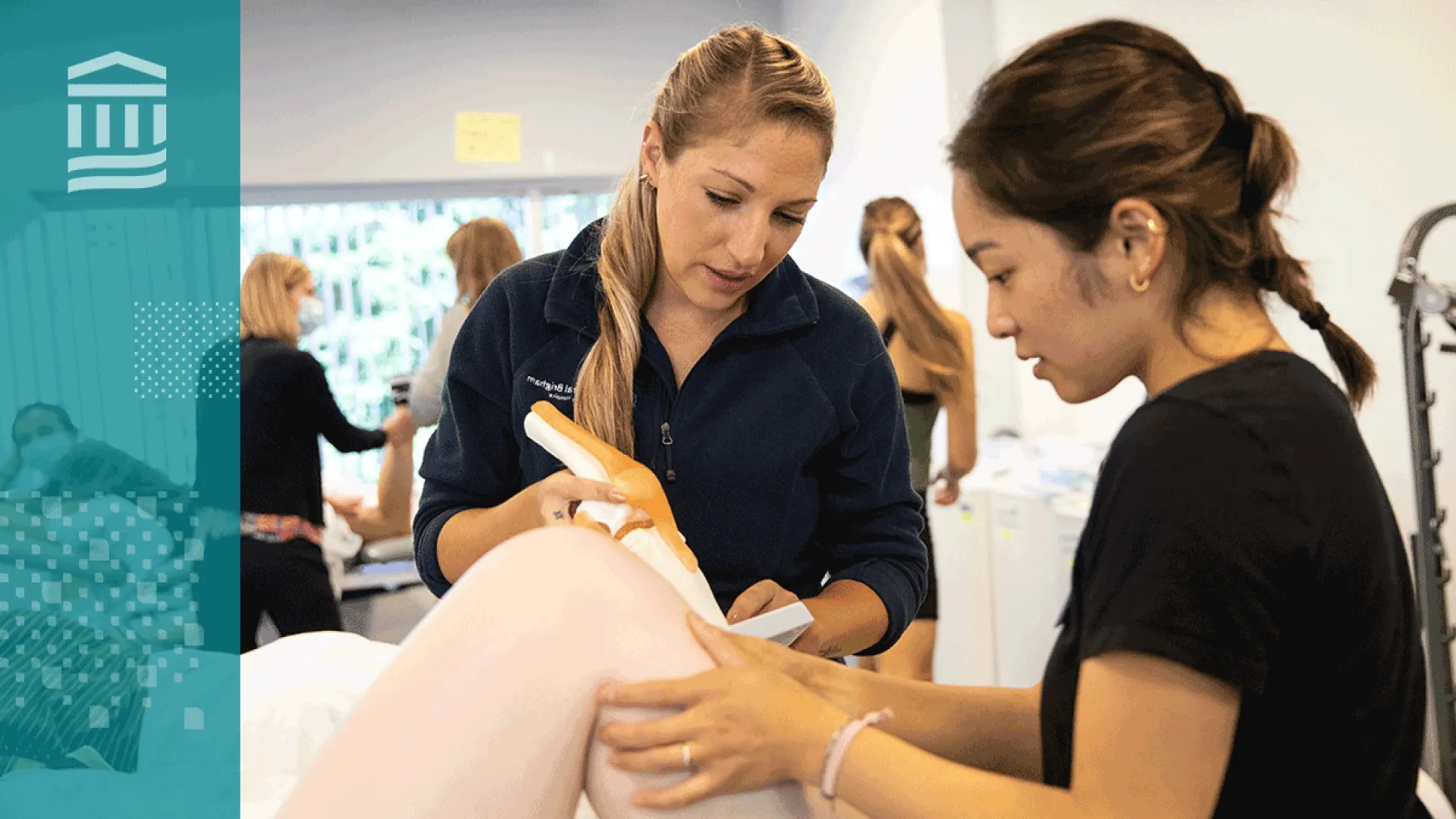
You treat patients in our on-campus PT IMPACT Center under expert supervision. A full-time, 10-week clinical experience follows in the summer after year one. A second placement comes during year two.
Most students then complete a paid, year-long internship in their final year. We pioneered this model, and few programs offer it. It frequently leads to a permanent position after graduation.
Is a DPT Degree Worth It?
A doctorate of physical therapy asks for years, money, and stamina. In return, it offers durable demand, real autonomy, and daily proof that your work helped someone. Few careers can promise all three.
If that trade sounds right, take the next step. Talk to a current student, review the curriculum, and ask us hard questions. We would rather you arrive certain.