Exploring Physical Therapy Specialties: Finding Your Path in the Field


Every physical therapist starts as a generalist. Over time, many discover a patient population or condition that sparks real passion. Maybe it's helping a child take first steps, or guiding a runner back to the finish line. That spark is often the first step toward choosing among physical therapy specialties.
Specialization lets you build advanced skills in one area of practice. It also gives patients access to targeted care that improves outcomes and quality of life. Below, we explore the 10 board-certified physical therapy specialties and how to earn certification. We'll also help you find the path that fits you.
Why Physical Therapy Specializations Matter
Physical therapy helps people move, heal, and live more fully after injury, illness, or surgery.
Demand for this expertise is growing. The U.S. Bureau of Labor Statistics projects physical therapist jobs will grow 11 percent from 2024 to 2034. That's much faster than the average for all occupations.
For you, specializing can open doors to leadership, teaching, research, and specialty practice settings. It also signals to employers and patients that you have advanced clinical knowledge.
How to Become a Board-Certified Specialist
First, you need a Doctor of Physical Therapy degree and a license to practice. Today, the DPT is the entry-level degree for new physical therapists in the United States. Certification in physical therapy specialties is optional, but it's a powerful way to grow your career.
The American Board of Physical Therapy Specialties (ABPTS) oversees specialist certification. ABPTS is governed by the American Physical Therapy Association (APTA). There are two pathways to become one of the board-certified physical therapists recognized by APTA:
- Clinical experience: Complete 2,000 hours of direct patient care in the specialty area within the last 10 years before taking the exam. At least 500 of those hours must fall within the last three years.
- Clinical residency: Complete an APTA-accredited post-professional clinical residency in the specialty area.
Both pathways end with passing a board certification exam. Some specialties add their own requirements, such as emergency care training. Certified specialists also complete ongoing professional development to maintain their credential.
Exploring the 10 PT Specialties
Each of the following physical therapy specialties serves a unique patient population. As you read, notice which ones match your interests and strengths.
Orthopedic Physical Therapy
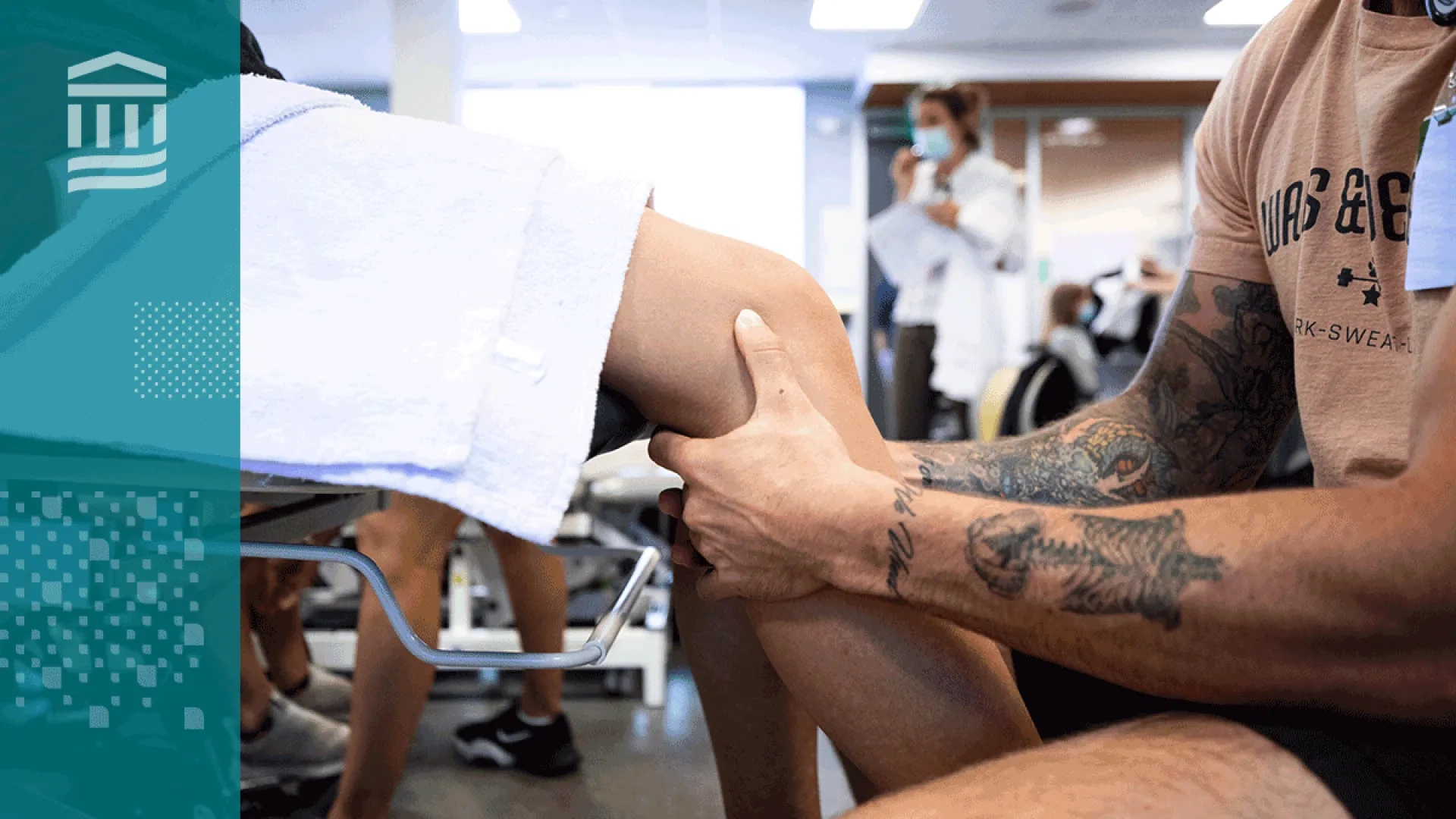
Orthopedic physical therapy treats injuries and disorders of the musculoskeletal system. This includes muscles, bones, ligaments, tendons, and joints. Orthopedic physical therapists often use manual therapy, a hands-on technique that reduces pain and improves mobility.
These clinicians work with patients recovering from surgery, athletes with injuries, and people with chronic pain.
Common conditions treated:
- Sprains, strains, and tendon injuries
- Recovery after knee, hip, or shoulder surgery
- Osteoarthritis and joint pain
- Back and neck pain
Neurological Physical Therapy
Neurological physical therapy helps people living with conditions of the brain, spinal cord, and nerves. The goal is to improve mobility, balance, strength, and independence. A neurological physical therapist may help a patient with a brain injury relearn how to walk safely.
Many neurologic clinicians also practice vestibular rehabilitation. This therapy treats dizziness and balance disorders linked to the inner ear and brain.
Common conditions treated:
- Stroke
- Traumatic brain injury
- Parkinson's disease
- Multiple sclerosis
- Spinal cord injury
Pediatric Physical Therapy
Pediatric physical therapists treat infants, children, and adolescents. They address developmental, neuromuscular, and orthopedic conditions. Sessions often feel like play, which helps young patients build strength and coordination.
Pediatric physical therapists also partner closely with families, teachers, and other care providers.
Common conditions treated:
- Developmental delays
- Cerebral palsy
- Genetic conditions such as Down syndrome
- Sports injuries in young athletes
Cardiovascular and Pulmonary Physical Therapy
This specialty serves patients with heart and lung conditions, including those recovering from cardiac or lung surgery. Therapists use exercise and strength training to build endurance and functional independence. Learn more about cardiovascular disease from Cleveland Clinic or the therapy research in MGBU’s PACE lab.
Common conditions treated:
- Chronic obstructive pulmonary disease (COPD)
- Recovery after a heart attack
- Heart failure
- Cystic fibrosis
Geriatric Physical Therapy
Geriatric physical therapists focus on the needs of older adults. They design treatment plans that relieve pain, improve mobility, and build fitness. Fall prevention is a major focus, helping patients stay safe and independent at home.
Common conditions treated:
- Osteoporosis
- Arthritis
- Alzheimer's disease and other dementias
- Hip and knee replacement
Sports Physical Therapy
Sports physical therapists help athletes of all levels prevent, assess, and recover from injuries. They also improve performance through strength and conditioning programs.
How does sports physical therapy differ from orthopedics? Both treat musculoskeletal injuries. Sports specialists, however, also provide on-field emergency care and guide athletes safely back to competition.
Common services provided:
- Injury prevention education
- Rehabilitation and recovery programs
- Performance enhancement training
- On-field emergency care
Women's Health Physical Therapy
Women's health physical therapy addresses needs across every life stage. Therapists treat pelvic floor conditions, pregnancy-related discomfort, and postpartum recovery. Care is tailored to each patient's unique physiology and goals.
Common conditions treated:
- Pelvic floor dysfunction
- Pelvic pain
- Pregnancy and postpartum concerns
- Osteoporosis
Oncologic Physical Therapy
Oncologic physical therapists support people before, during, and after cancer treatment. Chemotherapy, radiation, surgery, and immunotherapy can all affect strength and function. These therapists help patients manage side effects and maintain quality of life, including during end-of-life care.
Common conditions treated:
- Cancer-related fatigue
- Chronic pain
- Muscle weakness
- Neuropathy
- Lymphedema
- Loss of bone density
Clinical Electrophysiology
Clinical electrophysiology focuses on nerve and muscle damage. This damage may result from neuromuscular conditions, trauma, or surgery. Specialists use advanced testing to evaluate how nerves and muscles function.
Practice areas include:
- Electromyography (EMG)
- Nerve conduction velocity studies (NCV)
- Electrical stimulation and other modalities
Clinical Wound Management
Wound management specialists evaluate and treat skin breakdown and wounds. They also help prevent new wounds from forming in at-risk patients.
Common conditions treated:
- Diabetic wounds
- Venous ulcers
- Pressure injuries
- Surgical wounds
Wound specialists also work on wheelchair seating and set up to reduce pressure and prevent injury.
Working as Part of a Care Team
Across all PT specialties, collaboration is essential. Physical therapists work alongside physicians, nurses, athletic trainers, and speech-language pathologists. They often partner with occupational therapy, which helps patients regain daily living skills.
This teamwork gives patients well-rounded care. It also makes each of the PT specialties a rewarding place to grow as a clinician.
Advancing Your Career Through Clinical Residency
A clinical residency is one of the fastest ways to build specialty expertise. At Mass General Brigham University of Health Professions, we offer two residencies for licensed physical therapists.
Our year-long Clinical Residency in Orthopedic Physical Therapy combines clinical mentoring and academic coursework. Residents also gain opportunities in teaching, research, and community service. Graduates are prepared for the APTA orthopedic clinical specialist certification exam.
Our new Clinical Residency in Sports Physical Therapy launched in August 2026. This 13-month program places residents in a paid clinical appointment with one of MGBU’S clinical partners: Brigham and Women’s Rehabilitation Services Foxborough or Spaulding Outpatient Center Hanover.
Finding Your Path
The range of physical therapy specialties means there's a place for nearly every passion. You might thrive helping stroke survivors walk again or helping athletes return to play. Whatever draws you in, physical therapy specializations let you make a deeper impact on the patients you serve.
Ready to start your journey? Explore our Doctor of Physical Therapy program, or request information today.