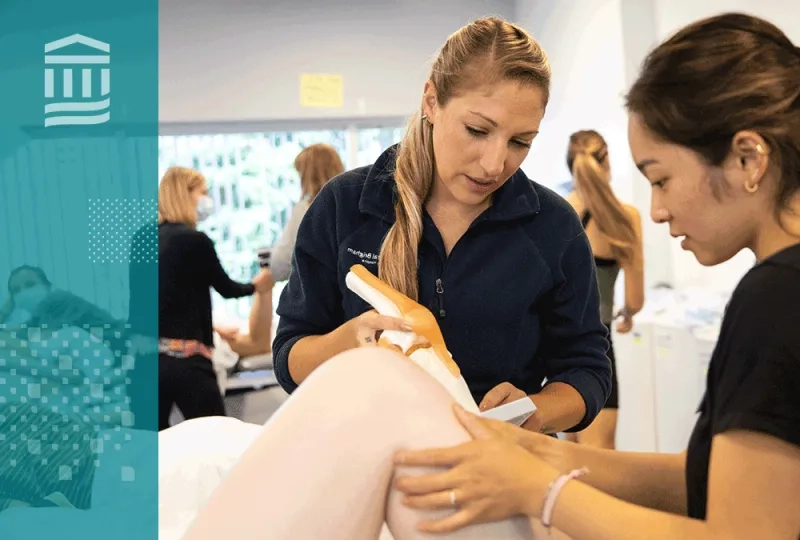
Building Better Patient Advocates: Preparing Doctor of Physical Therapy Students for Modern Patient Care



Patient outcomes are shaped by more than diagnoses and treatment plans alone. Factors such as housing access, transportation, food security, discrimination, language barriers, and financial instability all influence health outcomes and recovery. Research shows that social determinants of health play a major role in shaping patient well-being and healthcare access (Braveman & Gottlieb, 2014).
As a result, many Doctor of Physical Therapy (DPT) programs are expanding their approach to physical therapy education. In addition to teaching anatomy, movement science, and rehabilitation techniques, programs now help students understand how social and structural factors affect patient care.
A recent study published in the Journal of Physical Therapy Education examined how one DPT program integrated social justice and health equity concepts throughout its curriculum instead of teaching them in a single standalone course.
Moving Beyond Traditional Clinical Education
Historically, physical therapy education focused heavily on diagnosis, biomechanics, and treatment interventions. Those areas remain essential, but these topics explain only part of a patient’s experience.
The study explains that teaching social determinants of health examples alone may not fully prepare students to address healthcare inequities. Instead, educators can emphasize structural competency, which helps students recognize how systems, policies, and social structures influence patient outcomes.
For example, a patient recovering from surgery may also face transportation challenges, limited insurance coverage, unstable housing, or difficulty taking time off from work. A physical therapist who understands these barriers may be better prepared to create realistic care plans and connect patients with helpful resources.
This broader perspective supports stronger patient-centered care and encourages students to view patients as whole people rather than isolated diagnoses.
Integrating Health Equity Across a Doctor of Physical Therapy Curriculum
One of the most notable aspects of the study involved how social justice and health equity concepts were woven throughout a three-year Doctor of Physical Therapy curriculum instead of being confined to one course.
The curriculum included:
- Case-based discussions
- Reflection activities
- Clinical education experiences
- Community-focused learning
- Conversations about identity, bias, and inequity
- Patient narratives connected to healthcare disparities
Students explored how structural issues affect different patient populations, including people experiencing homelessness, racial and ethnically minoritized communities, sexual and gender minority groups, and pregnant women facing maternal health disparities.
In one example from the study, students examined disparities in maternal mortality rates among Black women and discussed ways healthcare providers can intervene at individual, community, research, and policy levels. Students also learned about implicit bias in healthcare, barriers to postpartum care, and the importance of culturally responsive patient education.
Rather than simply memorizing statistics, students learned to think critically about barriers to care and how healthcare professionals can advocate more effectively for patients.
Why Faculty Development Matters in Physical Therapy Education
The study also highlighted an important challenge: many faculty members had limited formal training in social justice and health equity during their own education.
As a result, faculty development became a major part of the initiative. Educators participated in workshops and training focused on:
- Inclusive communication
- Implicit bias awareness
- Identity and positionality
- Facilitating difficult conversations
- Responding to microaggressions
- Creating inclusive learning environments
Faculty members described the learning process as valuable but sometimes uncomfortable. Some worried about saying the wrong thing or not knowing how to guide difficult classroom discussions effectively. One faculty member described the experience as “a steep learning curve” (Naidoo et al., 2025).
At the same time, many educators believed the work was necessary. Several faculty participants reported that students were graduating with stronger patient advocacy skills and greater awareness of healthcare disparities than previous generations of clinicians.
What Students Learn From This Approach
Students in the study consistently reported that learning about social justice and health equity across multiple years was more effective than learning about it in a single lecture or workshop.
Many students said the curriculum helped them:
- Better understand patient experiences
- Recognize barriers to care
- Develop stronger communication skills
- Think more critically during clinical decision-making
- Become more aware of contextual factors affecting health
Clinical education experiences played a particularly important role. Students encountered patients whose needs extended far beyond physical rehabilitation alone. Some patients struggled with childcare, transportation, financial stress, housing instability, or language barriers that affected their ability to access care consistently.
Students also described gaining practical language and strategies for advocating for patients within healthcare systems. One participant explained that the curriculum helped them communicate with patients as human beings with goals, identities, and lives outside the clinic (Naidoo et al., 2025).
Preparing Future Physical Therapists for Modern Healthcare
Clinical instructors in the study noted that students in the DPT program often demonstrated strong awareness of cultural differences, communication needs, and contextual patient factors.
Still, many instructors acknowledged that the complexity of patient needs can feel overwhelming early in practice. Health equity education does not eliminate those challenges overnight. Instead, it provides students with frameworks, language, and tools to approach patient care more thoughtfully.
Programs such as those at Mass General Brigham University of Health Professions, the only degree-granting affiliate of Mass General Brigham, reflect a broader movement in physical therapy education toward integrating clinical expertise with a deeper understanding of structural competency, advocacy, and patient-centered care.
This research included contributions by faculty and alumni from the MGH Institute of Health Professions. The team included Dr. Keshrie Naidoo, Chair of the Physical Therapy Program; Dr. Rania Karim, Associate Professor of Physical Therapy; Dr. Laura Plummer, Dean of the School of Health and Rehabilitation Sciences; Callie Watkins Liu, PhD, Director of Community Excellence, Education and Programs; and Rachel Privett, a Doctor of Physical Therapy alumna and practicing clinician. Together, their work highlights how physical therapist education can help prepare future clinicians to deliver more patient-centered care and address the factors that shape health outcomes.
Related Articles
Inspiring Change Right from the Start
Thu, 10/08/2026