


Accelerated BSN Programs: What to Expect as a Career Switcher
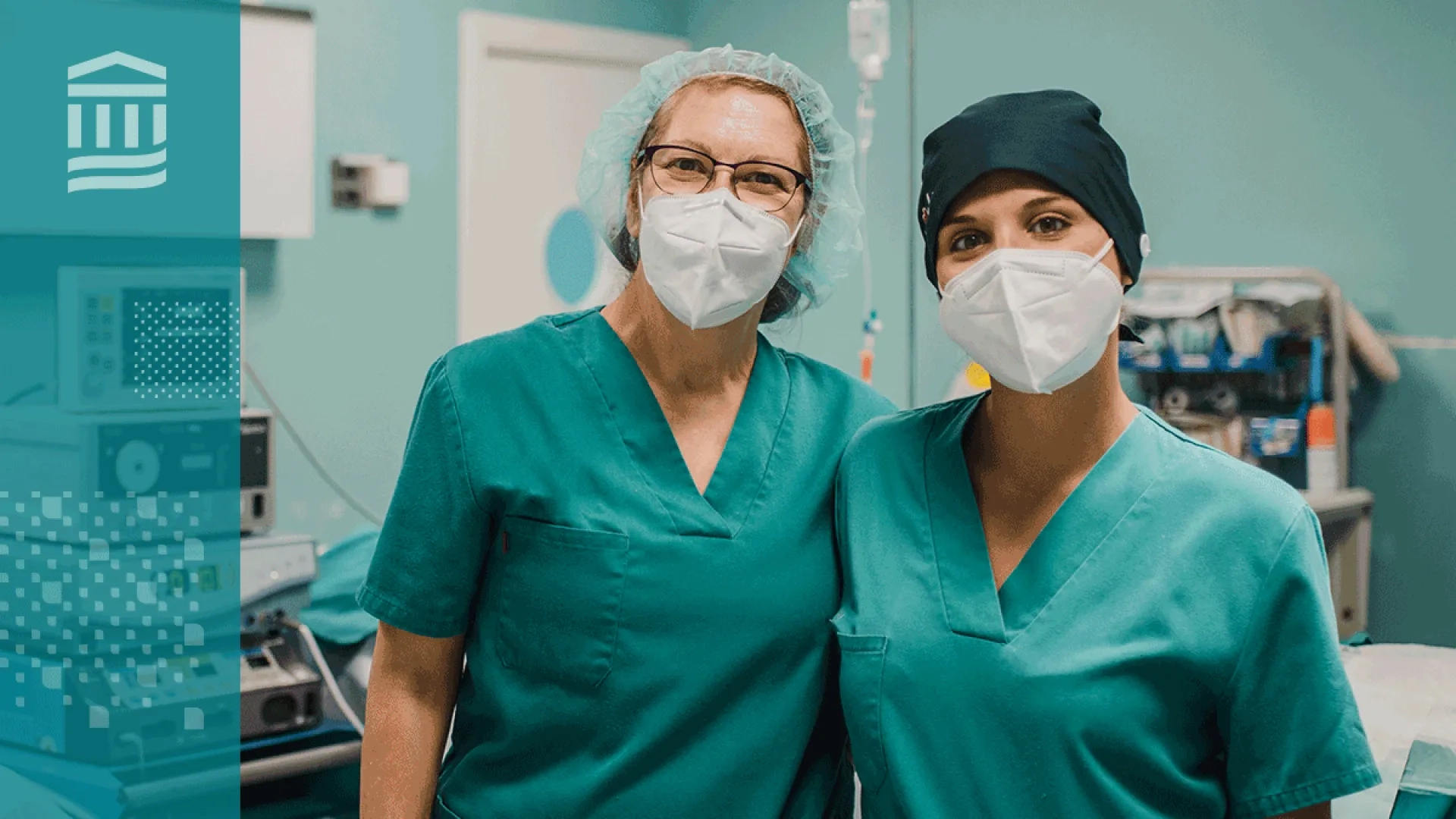


Maybe you work a desk job and want more meaning from your work. Maybe you just earned a biology degree and want a direct path to patient care. Either way, you've probably started researching accelerated BSN programs.
Accelerated BSN programs let you use the bachelor's degree you already have to become a registered nurse (RN). The pace is demanding, but the reward is a career built on caring for people.
In this guide, you'll learn what to expect in an Accelerated Bachelor of Science in Nursing (ABSN) program. We cover prerequisites, the weekly schedule, nursing school clinicals, costs, and career outcomes. You'll also hear from a graduate who traded ecommerce for patient care.
What Is an Accelerated BSN Program?
A traditional Bachelor of Science in Nursing (BSN) program usually takes four years. An accelerated BSN program is built for people who already hold a bachelor's degree in another field. Since you've finished your general education courses, you focus only on nursing courses.
Most accelerated nursing programs take 11–18 months to complete. You earn the same BSN as a 4-year graduate. You're then eligible for the National Council Licensure Examination (NCLEX-RN), the exam required for RN licensure.
The American Association of Colleges of Nursing (AACN) offers a helpful overview of ABSN programs nationwide.
Who Is Eligible for an ABSN Program?
Accelerated BSN programs are a strong fit for:
- Career switchers with a non-nursing bachelor's degree
- Recent graduates looking for a stable, meaningful career
- College seniors who want to start nursing school right after graduation
At Mass General Brigham University of Health Professions, your bachelor's degree can still be in progress when you apply. You just need to finish it before the program begins.
Why Choose an Accelerated BSN in Boston?
Where you study shapes where you train. Boston is home to some of the nation's leading teaching and research hospitals. An accelerated BSN in Boston puts you at the center of that healthcare community.
The ABSN program at Mass General Brigham University takes 12 months full time or 24 months part time. New cohorts start each spring and summer.
The University redesigned its curriculum using recommendations from the Future of Nursing 2020–2030 report. The result is an accelerated bachelor's program centered on person-centered care. Every course is taught through a health equity lens.
Program outcomes include:
- A 93 percent first-time NCLEX pass rate, above state and national averages
- A 100 percent employment rate within 12 months among last year's graduates
- Clinical rotations at Massachusetts General Hospital for every ABSN student
Leveraging Your Previous Bachelor's Degree
Your first degree isn't a detour. It's an asset. The ABSN program builds on the knowledge and skills you already have.
Your background might bring:
- Communication skills from business, education, or the humanities
- Scientific reasoning from biology, chemistry, or psychology
- Teamwork and leadership skills from previous jobs
- Cultural insight from travel, service, or lived experience
Tyler Brown knows this firsthand. He left a desk job at ecommerce company Wayfair to pursue nursing. Starting over felt intimidating at first.
"It's hard to go into something extremely new and not be good at it right away," Brown said.
Because everyone in the cohort already holds a degree, he found faculty met students where they were. "We're all here to learn — there's no judgment or anything," Brown said.
Read how our nursing graduates landed jobs at Mass General Hospital.
Prerequisite Courses You'll Need
Before you start, you'll complete prerequisite courses that build your science foundation. At Mass General Brigham University, these include:
- Chemistry
- Human anatomy and physiology 1 and 2
- Human growth and development
- Microbiology
- Human nutrition
- Statistics
Each course requires a grade of C+ or higher. It must also be completed within the last seven years. You need at least three prerequisites finished when you apply.
Here's the good news: the University offers every prerequisite online. That flexibility helps if you're still working while you prepare. Learn more about online prerequisites.
What Is the Accelerated Nursing Program Schedule Like?
Plan for a full-time commitment. Full-time students spend five to six days a week in class or clinicals. Classes usually meet on campus two days a week.
Clinical shifts can fall on any day, including weekends, and at any hour. You'll also complete many assignments outside class. For these reasons, the University strongly recommends that full-time students do not work.
You'll complete the required credit hours on a condensed timeline. Two- to four-week breaks between semesters give you time to recharge.
A Part-Time Option for Busy Lives
Do you have a family or other commitments? The part-time track may fit your life better. It takes 24 months, with two to three days per week in class, clinicals, or lab.
Is an Accelerated BSN Program Hard?
Yes, and it's important to go in with clear expectations. Common challenges include:
- Fast-moving content with little downtime
- A heavy load of assignments outside class and clinicals
- Limited time for a job or outside activities
- An adjustment period as you learn a new professional culture
The right support makes a real difference. The program's 95 percent graduation rate since inception shows that students can and do succeed.
What Are Nursing School Clinicals Like?
Nursing school clinicals are where classroom knowledge becomes real patient care. You'll assess patients, give medications, and work alongside experienced nurses.
A school's connections within the healthcare system shape where you complete nursing clinicals. That's where Mass General Brigham University stands apart.
Nursing clinicals start in your first semester. Every ABSN student spends their first two semesters in clinical at Massachusetts General Hospital.
Later placements may include Brigham and Women's Hospital, Boston Children's Hospital, and Spaulding Rehabilitation. You may also train at community hospitals, health centers, and skilled nursing facilities across Massachusetts.
In each setting, an experienced nurse serves as your clinical instructor. Instructors work with small groups of five to six students at a time.
Near the end of the program, you'll work one-on-one with a BSN-prepared RN for 180 hours. This direct-care experience ties your coursework and clinicals together. It also helps you make job connections before graduation.
Simulation and On-Campus Clinical Education
Before you care for real patients, you'll practice in a high-tech simulation lab. It includes acute-care rooms and high- and low-fidelity simulators. You'll respond to realistic health scenarios in a safe space to learn.
You'll also gain experience at the Ruth Sleeper Nursing Center for Clinical Education and Wellness. This nurse-led center offers screening, education, and support to Charlestown and Greater Boston residents.
There, you'll collaborate with students in physical therapy, occupational therapy, and other health professions. This teamwork mirrors how care is delivered in hospitals today.
How Accelerated BSN Programs Prepare You for the NCLEX-RN
Passing the NCLEX-RN is your final step to becoming a licensed RN. Strong programs prepare you for it from day one.
At Mass General Brigham University, clinical judgment is built into every course, simulation, and clinical rotation. You'll learn to think like a nurse, not just memorize facts. That approach helps explain the program's 91 percent first-time pass rate.
A Supportive Environment from Day One
Accelerated nursing programs are intense, so support matters. At Mass General Brigham University, you'll have:
- A faculty advisor from orientation through graduation
- Professors who are practicing nurses and nurse practitioners
- Academic support counselors and teaching assistants
- Career development help with résumés and interviews
- Student ambassadors who share what the program is really like
Have questions about daily life in the program? Connect with a current ABSN student to hear it firsthand.
Is an Accelerated BSN Worth It?
For many career switchers, the answer is yes. Graduates typically receive job offers less than two months after starting their job search.
A BSN also opens doors that an associate degree may not. Many hospitals prefer BSN-prepared nurses. A BSN is also the foundation for graduate study, such as becoming a nurse practitioner.
Graduates work in acute care, pediatrics, rehabilitation, community health, and more. Explore nursing career paths to see where your degree can take you.
How to Apply
The application process is straightforward. Here's how to get started:
- Complete at least three prerequisite courses.
- Gather official transcripts from every college you attended.
- Request two letters of recommendation, one academic and one professional.
- Write a personal statement about why you chose nursing.
- Submit everything, including your résumé, through NursingCAS.
A cumulative GPA of 3.0 or higher is preferred. The TEAS exam is not required. Check the ABSN program page for current application deadlines.
Related Articles
What Is an ABSN? Your Guide to Accelerated Nursing Programs
Fri, 09/18/2026
How to Become an RN: Navigating Accelerated Nursing Programs
Wed, 09/16/2026
Celebrating Careers, Community, and Lasting Impact
Thu, 06/25/2026