


What Is an ABSN? Your Guide to Accelerated Nursing Programs
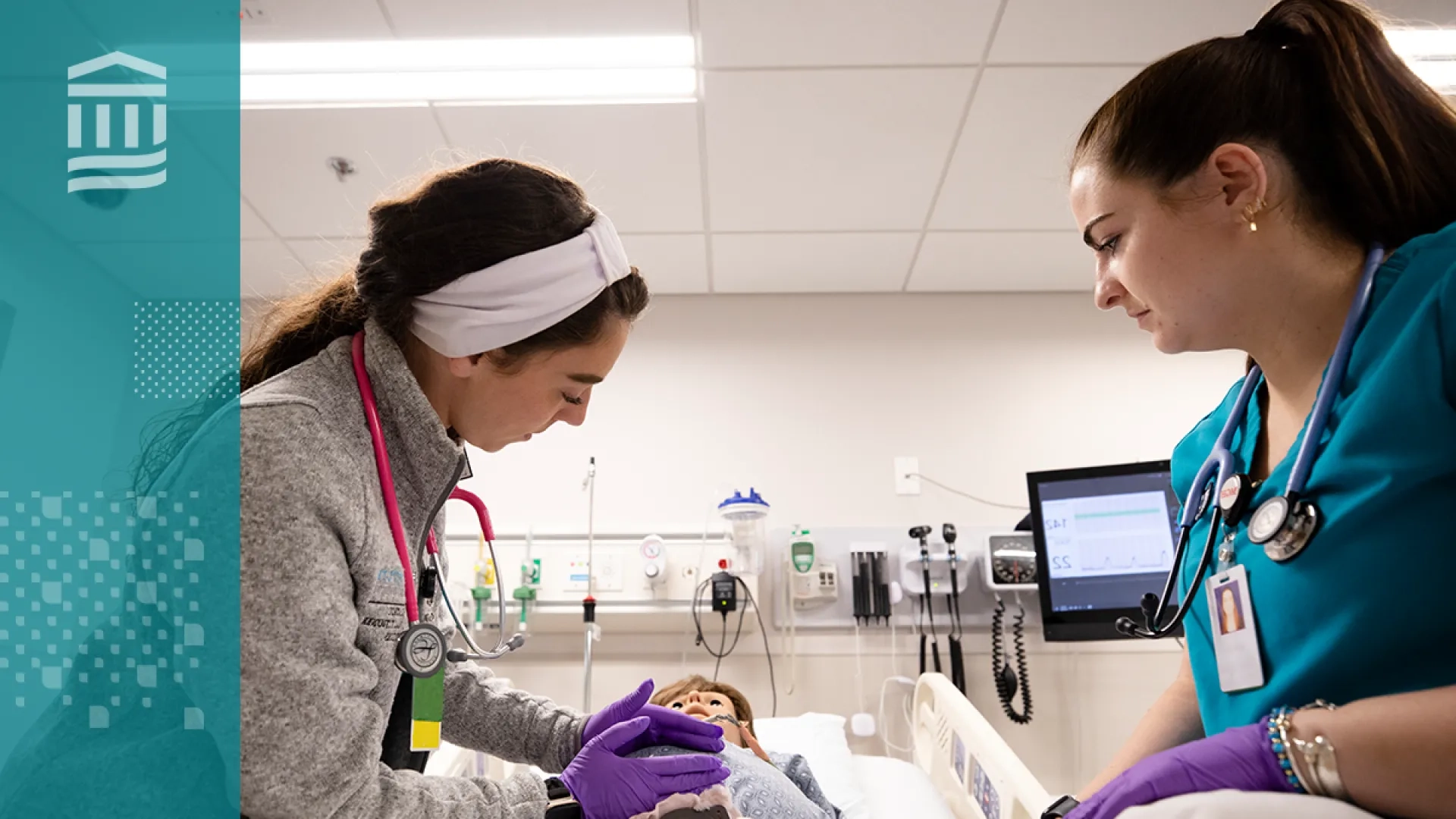


You already earned a bachelor's degree. Now nursing is calling you.
If that sounds familiar, an Accelerated Bachelor of Science in Nursing (ABSN) program deserves your attention. Below, we answer the questions we hear most often from prospective students. Consider this your plain-language guide to the accelerated path into nursing.
What Is an ABSN?
ABSN stands for Accelerated Bachelor of Science in Nursing.
An ABSN program is a condensed, intensive curriculum built for career changers. It serves people who already hold a bachelor's degree in a non-nursing field. Your existing college credits do much of the heavy lifting. You skip the general education requirements and focus entirely on nursing.
The result is a full BSN education delivered in a compressed timeline. Graduates earn the same Bachelor of Science in Nursing as traditional students. They sit for the same NCLEX-RN licensure exam, too.
Does an ABSN Make You a Registered Nurse?
Not by itself. The degree qualifies you to sit for the NCLEX-RN exam. Passing that exam, then meeting your state's requirements, earns you the RN license. Faculty at MGBU prepare you for licensure throughout the ABSN program.
How Long Does an ABSN Program Take?
Most accelerated nursing programs run 12 to 18 months. A traditional BSN program takes about four years.
Students in our ABSN program finish in 12 months. The pace is fast, but the curriculum is not thinned out. We compressed the timeline using recommendations from the landmark Future of Nursing report. Our focus stays on person-centered care, viewed through a health equity lens.
ABSN Program vs. Traditional BSN Program
The credential is identical. Only the route differs.
| ABSN program | Traditional BSN program | |
| Length | 12 months at the University | About four years |
| Who it serves | Career changers with a bachelor's degree | Students after high school |
| Prior credits | Applied towards prerequisites | Earned during the program |
| Pace | Full time, year-round | Semester based, with breaks |
| Degree awarded | Bachelor of Science in Nursing | Bachelor of Science in Nursing |
| License exam | NCLEX-RN | NCLEX-RN |
Employers hire nurses based on licensure, clinical judgment, and fit. Your diploma does not flag the accelerated track. Hiring managers see a BSN-prepared nurse, which is what most hospitals now prefer.
What Do You Learn in an ABSN Program?
The coursework mirrors any strong BSN program. Here is how we organize it.
Foundations of Nursing Practice
- Fundamentals of patient care, nursing ethics, and communication
- The nurse's role in preventing acute and chronic illness
- Frameworks including the nursing process, social determinants of health, and clinical judgment
- Person-centered care planning for adult and aging patients
Health Assessment and Pathophysiology
- In-depth study of human anatomy and physiology
- Head-to-toe assessment skills for patients across the lifespan
- Recognition of how disease processes change a patient's presentation
Pharmacology
- Drug actions, side effects, and interactions across common conditions
- Safe medication administration and nursing responsibility
- Patient response to therapy, evaluated with clinical judgment
Clinical Rotations and Simulation
Clinical rotations are where theory becomes practice. You work with real patients in varied healthcare settings, supported by clinical faculty. Our clinical placement team coordinates those experiences for every student.
Before each rotation, you practice in the simulation lab. The simulation lab lets you rehearse high-stakes skills without risk to a patient. You will also be taught by expert faculty, most of whom still practice clinically.
Community and Public Health
- Nursing roles beyond the hospital, including schools and community clinics
- Population health initiatives and care for diverse communities
- Health promotion strategies grounded in equity
Our students recently ran health fairs for elementary school children. That is community health learning in action.
Nursing Research and Evidence-Based Practice
- Critical analysis of nursing research and clinical evidence
- Translation of evidence into daily bedside decisions
- Study of bio-behavioral, cultural, developmental, and psycho-social factors shaping health
What Are the ABSN Program Requirements?
Requirements vary by school, but most accelerated nursing programs ask for similar items. Use this checklist as your starting point.
- A bachelor's degree in any field. Your major does not need to be science.
- Prerequisite courses. Expect science coursework such as anatomy, physiology, chemistry, and microbiology. At the University, we require six prerequisites. Each needs a grade of C+ or higher, earned within the last seven years.
- A competitive GPA. We look for a baccalaureate grade point average of 2.70 or above. A graduate grade point average of 3.30 or above also qualifies.
- Letters of recommendation. Academic or professional references both work well.
- An interview. Many programs use interviews to assess your motivation and commitment.
- Accreditation on your side. Confirm that any program you consider holds national nursing accreditation.
Already have college credits in science? Bring your transcripts to an admissions counselor early. Some coursework may satisfy prerequisites and shorten your runway.
Why Choose an ABSN Program Over a Four-Year Degree?
Time efficiency. An accelerated BSN program moves you into the workforce faster. You begin earning, and caring for patients, sooner.
Credit for what you already did. The ABSN program builds on your existing education. That makes the transition more targeted and far more efficient.
Built for career changers. ABSN students arrive from teaching, research, business, the arts, and beyond. Those perspectives strengthen the whole cohort.
Steady demand for nurses. The Bureau of Labor Statistics projects five percent growth for registered nurses through 2034. That translates to roughly 189,100 openings each year.
Room to grow. A BSN opens doors to leadership, specialty practice, and graduate study. Many of our graduates later pursue advanced practice roles.
What Challenges Should You Expect?
Honesty serves you better than a sales pitch. Here is what ABSN students tell us.
- Volume. Content arrives quickly, so falling a week behind is costly.
- Schedule. Clinical rotations may include early mornings, evenings, or weekends.
- Identity shift. Returning to student life after a career takes real adjustment.
- Emotional weight. Patient care asks something of you beyond academics.
None of these is a reason to walk away. Each is a reason to plan ahead.
What Support Do ABSN Students Receive?
We will be candid with you. The pace is demanding, and most students step back from work to focus.
That is why support is built in, not bolted on. Our academic support coaches work with you one on one. Together you sharpen organization, prioritization, and time and stress management. Coaches also help you build fluency in the nursing process.
Faculty office hours, peer study groups, and clinical mentors round out the network. You are moving quickly, but you are not moving alone.
Is an ABSN Program Right for You?
If nursing keeps pulling at you, an ABSN program offers a direct, efficient route. It equips you with the clinical skills, judgment, and confidence the profession demands. The pace asks for dedication, and the payoff arrives quickly.
Curious how other career changers made the leap? Read one alum's story about pursuing nursing as a second career.
Ready to take the next step? Request information or apply today.
Related Articles
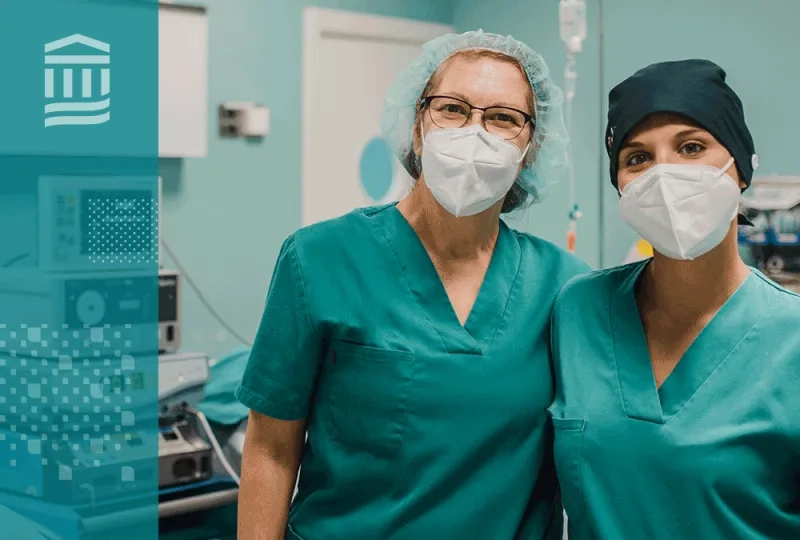
Accelerated BSN Programs: What to Expect as a Career Switcher
Wed, 10/07/2026
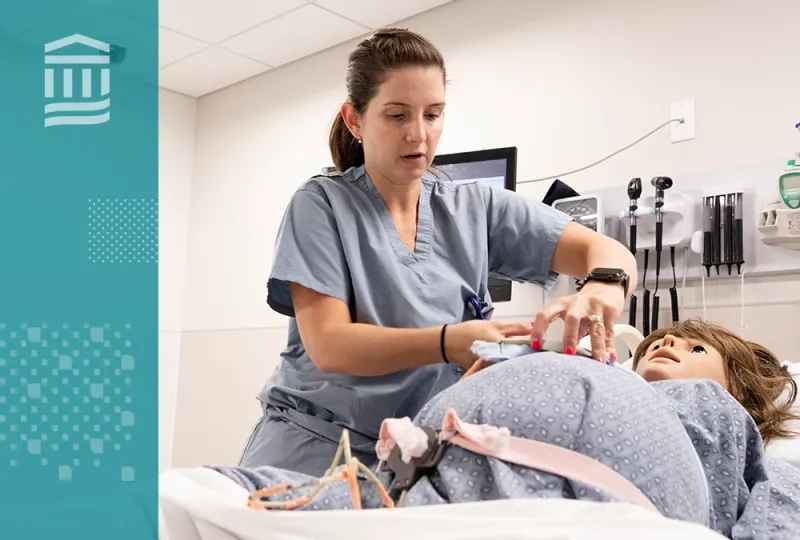
How to Become an RN: Navigating Accelerated Nursing Programs
Wed, 09/16/2026
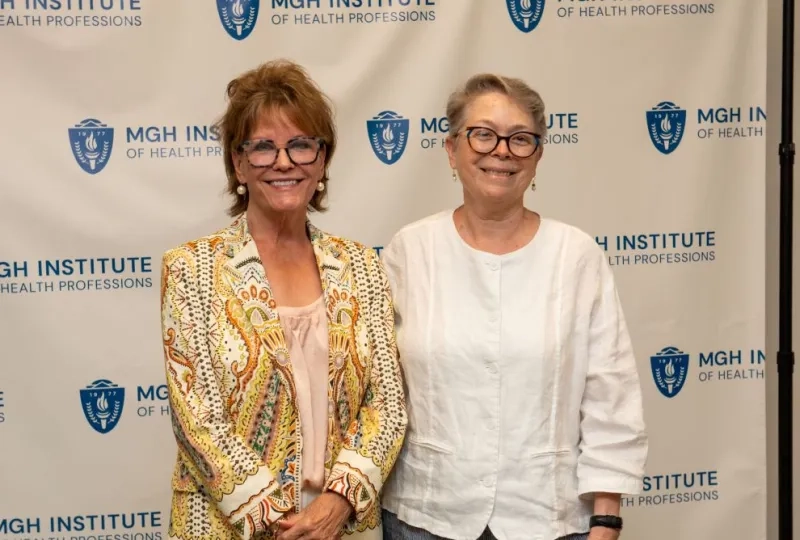
Celebrating Careers, Community, and Lasting Impact
Thu, 06/25/2026