Structured Reflection Helps OT Students Feel Supported During Level II Fieldwork



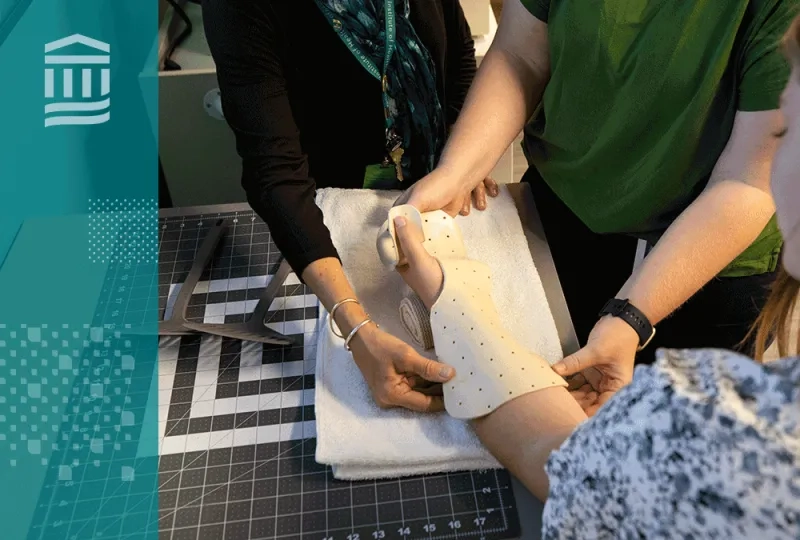
Level II fieldwork can mark a turning point in occupational therapy education. After classroom learning, labs, simulations, and guided practice, students step into clinical environments where they apply what they know with real clients, real teams, and real expectations.
That transition can feel exciting. It can also feel lonely.
For students pursuing a Doctor of Occupational Therapy or another occupational therapy degree, Level II fieldwork asks them to bring together clinical reasoning, communication, professionalism, and empathy. Students learn by doing, but they also learn by processing what happens during practice. That reflection matters when students face uncertainty, stress, or emotionally complex situations.
An article in OT Practice by Tara Mansour, OT, OTD, MS-HPEd, OTR, explores how one structured reflection model, called Balint Groups, helped support occupational therapy students during this stage of their education.
Why Level II Fieldwork Needs Strong Support
Level II fieldwork gives occupational therapy students the opportunity to move from theory into practice. Under supervision, students build skills in client care, assessment, intervention, documentation, and professional communication. The American Occupational Therapy Association describes Level II fieldwork as a key part of preparing students for competent, entry-level practice (American Occupational Therapy Association, 2018).
Yet fieldwork can also bring stress. Students may be placed far from campus, away from classmates, and in unfamiliar clinical settings. According to Mansour, this distance can increase feelings of isolation and anxiety during an already demanding period of training.
The fieldwork team at Mass General University (MGBU - formerly MGH Institute of Health Professions) had traditional supports in place, including mentoring, check-ins with the Academic Fieldwork Coordinator, and optional drop-in sessions. However, those optional sessions often had low attendance. The team saw a need for a more structured way to help students stay connected.
What Are Balint Groups?
Balint Groups began in medical education as a way for healthcare professionals to reflect on clinical cases, particularly the emotional and relational parts of care. Rather than focus on solving a clinical problem, participants explore what happened, how people may have felt, and how relationships shaped the experience.
In occupational therapy education, that approach fits naturally with the profession’s focus on human-centered care. Occupational therapists build therapeutic relationships with clients, families, and interprofessional teams. For students, Balint Groups create space to pause, listen to peers, and understand different perspectives.
That type of reflection can support empathy, self-awareness, and evidence-based practice because students learn to connect clinical knowledge with the human experience of care.
How the MGBU Team Adapted the Model
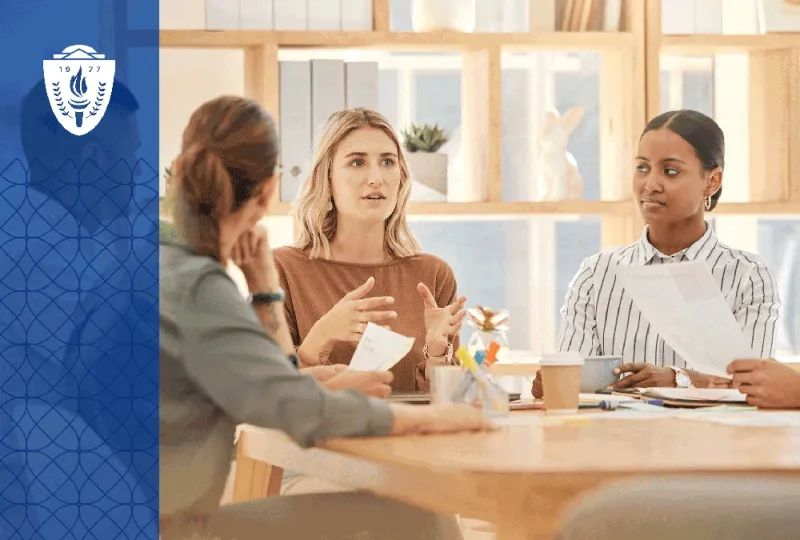
In summer 2023, the MGBU occupational therapy fieldwork team introduced Balint Groups for students during Level II fieldwork. Sessions took place on Zoom so students in different locations could participate. Students attended four sessions across two fieldwork placements (Mansour, 2024).
The first version brought useful lessons. Some students hesitated to present cases. Some discussions included long silences. When students did share, they often moved quickly toward problem-solving instead of reflecting on emotions, relationships, and perspective-taking. The virtual format also made participation harder.
The team used those challenges to improve the model. They reduced the number of groups, assigned facilitators students already knew, and added more structure to each conversation. Facilitators guided students to identify key stakeholders in each case and reflect on one perspective at a time. This helped students move beyond quick solutions and toward deeper reflection.
What Changed for Students
After the team revised the model, student engagement improved. Mansour reports that familiar facilitators and a clearer discussion structure helped students feel more comfortable contributing. Students showed greater willingness to participate, and the conversations became more focused and meaningful.
The sessions also produced an unexpected benefit. Students and fieldwork team members saw each other face to face, even in a virtual setting. That contact appeared to make students more comfortable reaching out for individual support after group sessions.
The article does not present formal outcome data. It describes early implementation observations and notes that the program planned to collect student feedback after the 2024 fieldwork placements. The early results suggest promise, and formal evaluation represents an important next step.
Why This Matters for Occupational Therapy Education
This project offers a practical example of how occupational therapy education can support both skill development and student well-being. Clinical education asks students to develop judgment, empathy, adaptability, and professional identity.
Structured reflection gives students a way to make sense of difficult moments. It can help them feel less alone, more connected to peers and faculty, and more prepared to provide thoughtful care.
For students considering a Doctor of Occupational Therapy program or an occupational therapy degree, this type of support matters. It shows how educators can design learning experiences that help students grow as clinicians and reflective practitioners.
About the IHP Author
Tara Mansour, OTD, MS-HPEd, OTR/L, serves as a term lecturer in the entry-level Doctor of Occupational Therapy program at the MGH Institute of Health Professions. With more than 23 years of clinical experience, Dr. Mansour brings a practice-based perspective to occupational therapy education. She also contributes to national conversations on clinical education through her service with the Association of Schools Advancing Health Professions.