


Student Story
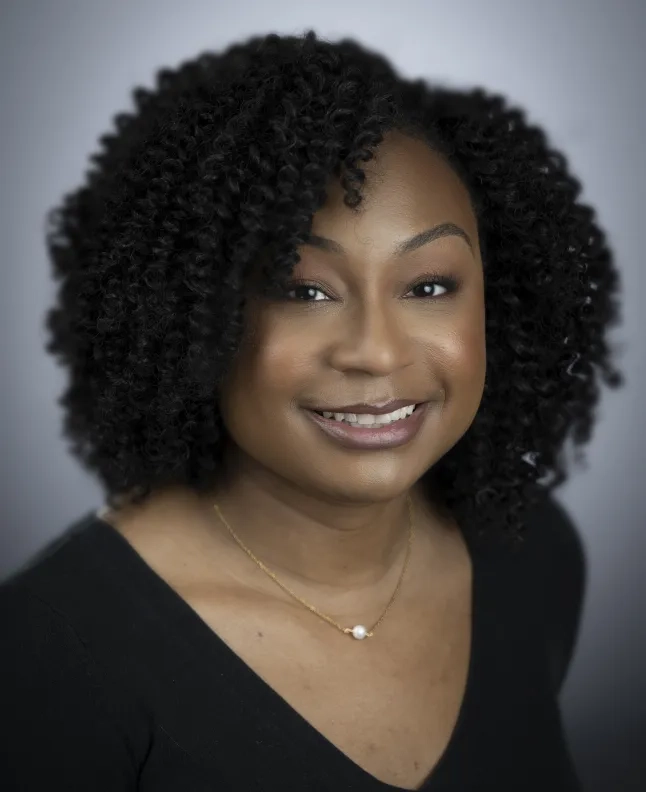
Taryn Townsend
SLPD ’24, MS-SLP ’12
Career: Advanced Clinical Specialist in Speech-Language Pathology
Texas Children's Hospital


What was the catalyst for you pursuing an additional degree?
After more than a decade of working as a medical speech-language pathologist, I transitioned from working with medically complex adults to medically complex pediatrics, highlighting the neurological background I gained with my first degree from the MGH Institute [now known as Mass General Brigham University of Health Professions]. As I completed this transition, I wanted to take my clinical expertise a step further and contribute to the profession beyond direct patient care, particularly in working with children with acquired brain injuries. I recognized significant gaps in clinical resources, standardized assessment practices, and continuity of care for medically complex patients. I wanted to be part of addressing those gaps. Pursuing my additional degree, the clinical doctorate, was an opportunity to strengthen my skills in evidence-based practice, clinical leadership, research translation, and advocacy while developing meaningful solutions to challenges I encountered every day. I wasn't necessarily looking to change careers; I wanted to become more effective in the career I was already passionate about and expand the ways I could make an impact.
What was the most positive aspect of returning to your alma mater?
One of the most positive aspects of returning to my alma mater was the familiarity. Having completed my master's degree there in 2012, I already knew the caliber of education, the expectations, and the emphasis placed on developing thoughtful, evidence-based clinicians. There was comfort in returning to an institution that had played such an important role in shaping the foundation of my career.
What do you think you brought with you from your first degree into your second or subsequent programs?
What I brought back most significantly was over a decade of real-world clinical experience based on a solid foundation. I entered my doctoral program with a much greater appreciation for healthcare's complexities, the importance of interdisciplinary collaboration, and the need for clinicians to advance their profession. I was no longer simply learning how to become a speech-language pathologist; I was learning how to use my experiences to help move the profession forward.
Which class or learning experience was most impactful for you? Why?
My most impactful learning experience was developing my doctoral capstone project, which focused on creating a cognitive-communication assessment toolkit for children with acquired brain injuries in acute care settings. This project was especially meaningful because it addressed a clinical challenge I had encountered repeatedly in my own practice: the lack of accessible, developmentally appropriate tools to guide cognitive-communication assessment for children with complex neurological injuries, particularly during the earliest stages of recovery. The capstone process challenged me to look beyond individual patient encounters and think more broadly about clinical practice, existing evidence, and the need and opportunity for improvement. It gave me the structure and mentorship to turn a problem I was passionate about into a tangible resource with the potential to support other clinicians.
How did the University prepare you for your current role or influence your career trajectory and professional growth?
The University has played a significant role in shaping my professional identity, first by providing the foundation for my career as a medical speech-language pathologist and later by helping me recognize how I could expand my influence as an experienced clinician. Since completing my clinical doctorate in 2024, I have been promoted to an advanced clinician and specialist in the pediatric intensive care unit, specializing in acquired brain injury, disorders of consciousness, dysphagia, and the care of medically complex children. My doctoral education strengthened my confidence in clinical decision-making, critically evaluating research, and advocating for evidence-based approaches in areas where standardized practices and resources remain limited. Advancing my degree has opened doors to greater professional involvement. I have had opportunities to present at national and international conferences, provide continuing education to other speech-language pathologists, serve in professional leadership and committee roles, contribute subject-matter expertise to ASHA resources, and instruct at the graduate level. Finally, one of the most meaningful developments has been establishing my own private practice, which provides specialized speech-language pathology services to children and adults with acquired brain injuries. My doctoral education helped me develop the leadership, professional confidence, and broader perspective necessary to pursue that vision.
What advice do you have for other alumni who are thinking of furthering their education at the University?
My advice would be to think about what you hope to gain from furthering your education beyond simply earning another degree. I would also encourage alumni not to underestimate the value of their existing experiences. You bring so much more to the classroom the second time around, and there is something incredibly rewarding about learning alongside other experienced professionals who challenge your thinking and introduce new perspectives.