


Student Story
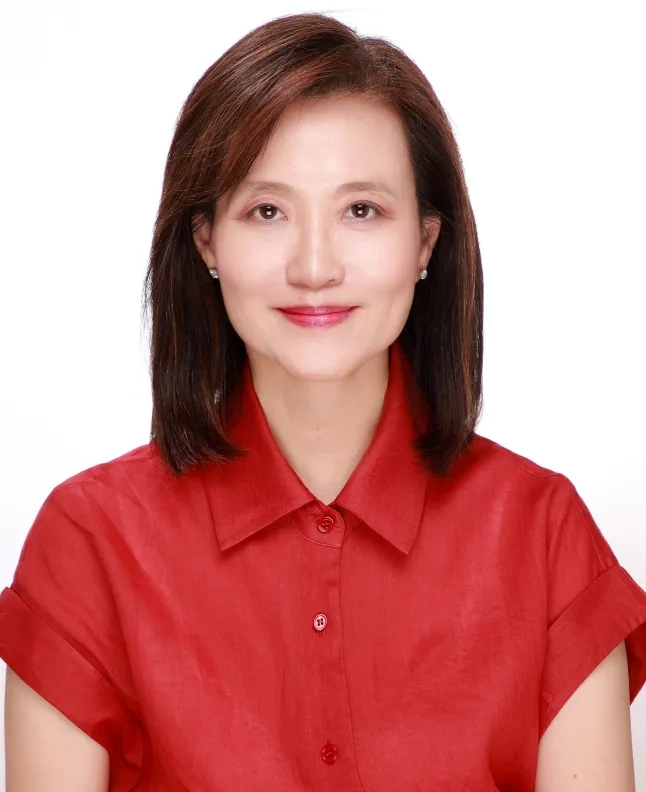
May May Yeo
PhD-HPEd ’23, MS-HPEd ’17
Career: Assistant Professor and Deputy Director
Duke-NUS Medical School


What was the catalyst for you pursuing an additional degree?
My work at Duke-NUS Medical School involves helping clinicians build academic careers. Over time, I became interested in understanding more deeply the academic systems I worked within and how they could better support faculty development.
What was the most positive aspect of returning to your alma mater?
Returning to a familiar academic environment while bringing new professional perspectives and research questions was particularly rewarding. I valued the opportunity to deepen my learning and engage with a community committed to advancing health professions education. Special mentions to Program Director Roger Edwards and my supervisor Anne Thompson.
What do you think you brought with you from your first degree into your second or subsequent programs?
The master’s broadened my understanding of health professions education, while my professional experience provided real-world questions to investigate. Together, they provided a clear purpose and direction for my doctoral research.
Which class or learning experience was most impactful for you? Why?
Doctoral research training was impactful for me. It taught me to question assumptions, evaluate evidence, and turn challenges at work into researchable questions. Most importantly, it changed how I approached familiar problems — from seeking immediate solutions to exploring the underlying factors, interpreting findings within a broader context, while appreciating complexities and nuances that may otherwise be overlooked.
How did the University prepare you for your current role or influence your career trajectory and professional growth?
My education enabled me to extend my work in faculty affairs into scholarship and innovation, and I transferred from an executive to a faculty position. As faculty, I was able to engage in research collaborations with colleagues from Duke University, National University of Singapore, and Singapore General Hospital and to publish on international academic partnerships, including one in Academic Medicine journal. More recently, I developed and evaluated AskADD, an AI-assisted chatbot supporting faculty navigating promotion and tenure policies, with findings accepted for publication in Frontiers in Artificial Intelligence journal. These experiences have brought intellectual depth and purpose to my work, for which I truly appreciate.
What advice do you have for other alumni who are thinking of furthering their education at the university?
Further education need not mean changing careers; it can deepen your understanding and expand how you contribute. Returning to study midcareer requires perseverance and support. I was fortunate to have the encouragement of Duke-NUS and my family, especially my husband.