


Building Clinician Confidence to Advance Telehealth in Occupational Therapy
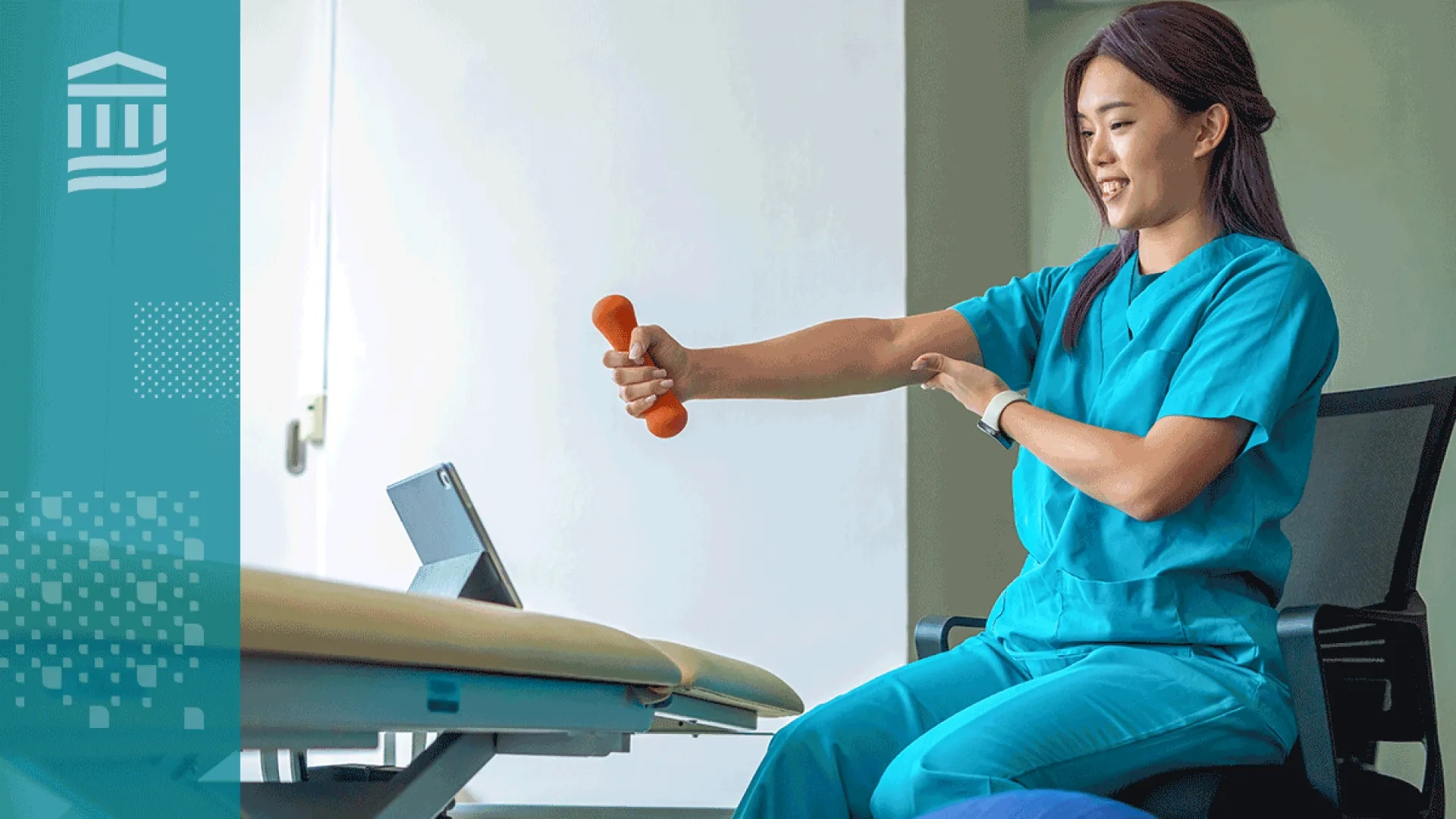


Telehealth has changed what rehabilitation can look like. For some patients, it means receiving care without arranging transportation, missing work, or traveling long distances. For occupational therapists, it can offer a window into the places where daily life actually happens: the kitchen, the bedroom, the classroom, the workplace, or the community setting.
Occupational therapy focuses on helping people participate in meaningful daily activities. When a clinician can see a patient in their own environment, they may notice barriers, routines, supports, and opportunities that do not always appear in a clinic.
Yet telehealth remains underused in rehabilitation, even after years of research showing that it can be feasible, safe, acceptable, and effective for many patients. A recent article co-authored by Kathleen Lyons, ScD, OTR, of Mass General Brigham, and colleagues Yafit Gilboa, PhD and Michal Pagis, PhD, offers a helpful way to understand why.
The challenge, the authors argue, is not only about technology. It is also about confidence, connection, and professional identity.
Why Technology Is Only Part of the Story
When telehealth adoption slows, it is easy to point to technical barriers. Clinicians may need better platforms, stronger internet connections, more training, or clearer organizational systems.
But the article suggests that technical support alone does not fully explain why rehabilitation professionals may hesitate to use telehealth. Even when technology works, remote care changes the experience of practice.
Occupational therapists often rely on observation, relationship-building, body language, hands-on assessment, and the ability to read subtle cues in real time. In a telehealth visit, some of those familiar tools shift. A clinician may need to guide a caregiver through an activity, ask a patient to reposition a camera, interpret movement through a screen, or adapt an intervention using household items.
That can create uncertainty. Clinicians may wonder whether they can build the same trust, make the same judgments, or provide the same quality of care from a distance.
A New Lens for Telehealth Adoption
To better understand this hesitation, the authors use self-determination theory. This theory explains motivation through three basic human needs: autonomy, relatedness, and competence.
Autonomy means people feel they have some choice and control in their work. Relatedness means they feel connected to others. Competence means they feel skilled and effective.
Applied to occupational therapy, this framework helps explain why telehealth can feel both promising and challenging.
Telehealth may support autonomy. It can give clinicians more flexibility in how they deliver care and may open new ways to reach patients in their natural environments. For occupational therapists, that can align closely with the profession’s focus on daily function and real-world participation.
At the same time, telehealth may challenge relatedness. Clinicians may feel less connected to patients when they cannot share the same physical space. They may also feel more isolated from colleagues when remote care becomes part of their routine.
Telehealth can also affect competence. A skilled clinician in person may still need new strategies to feel equally effective online. That does not reflect a lack of ability. It reflects a shift in the practice environment.
What This Means for Occupational Therapy Education
This is where occupational therapy education plays an important role. If telehealth is part of modern rehabilitation, future clinicians need opportunities to practice it before they enter the field.
Students in a Doctor of Occupational Therapy program can benefit from learning how to evaluate function through video, coach patients and caregivers remotely, adapt activities for home environments, and maintain therapeutic connection through digital tools. They also need space to reflect on what changes when care moves from a clinic to a screen.
That kind of preparation supports evidence-based practice. It helps students think critically about when telehealth is appropriate, when in-person care is needed, and how to choose the best approach for each patient.
It also reinforces patient-centered care. Telehealth should not serve as a one-size-fits-all solution. Instead, it should become one option within a broader care model that responds to a patient’s goals, context, access needs, and preferences.
Supporting Clinicians Supports Patients
Telehealth implementation must support clinicians, not only systems. Healthcare organizations need more than digital platforms. They need training, feedback, mentorship, workflow support, and hybrid models that help clinicians stay connected to patients and colleagues.
When occupational therapists feel confident, connected, and prepared, telehealth becomes more than a backup option. It becomes a meaningful way to extend care into the environments where patients live, learn, work, and participate.
The success of telehealth depends not only on better technology, but on the clinicians who use it. By building competence, preserving connection, and supporting professional confidence, occupational therapy can help make remote rehabilitation more effective, sustainable, and human-centered.
About the Author
Kathleen Lyons, ScD, OTR/L, is a rehabilitation scientist and occupational therapist at Mass General Brigham University of Health Professions whose research focuses on cancer rehabilitation, psycho-oncology, functional recovery, and quality of life for adult cancer survivors. Since joining the University (formerly IHP) in 2021, Lyons has led the Cancer Rehabilitation Lab, known as the CaRe Lab, which works to reduce disability and improve functional well-being for people living with and beyond cancer. Her work reflects a strong commitment to evidence-based practice, implementation science, and interprofessional collaboration.
Citation