


What Does a Speech Language Pathologist Do? A Comprehensive Guide
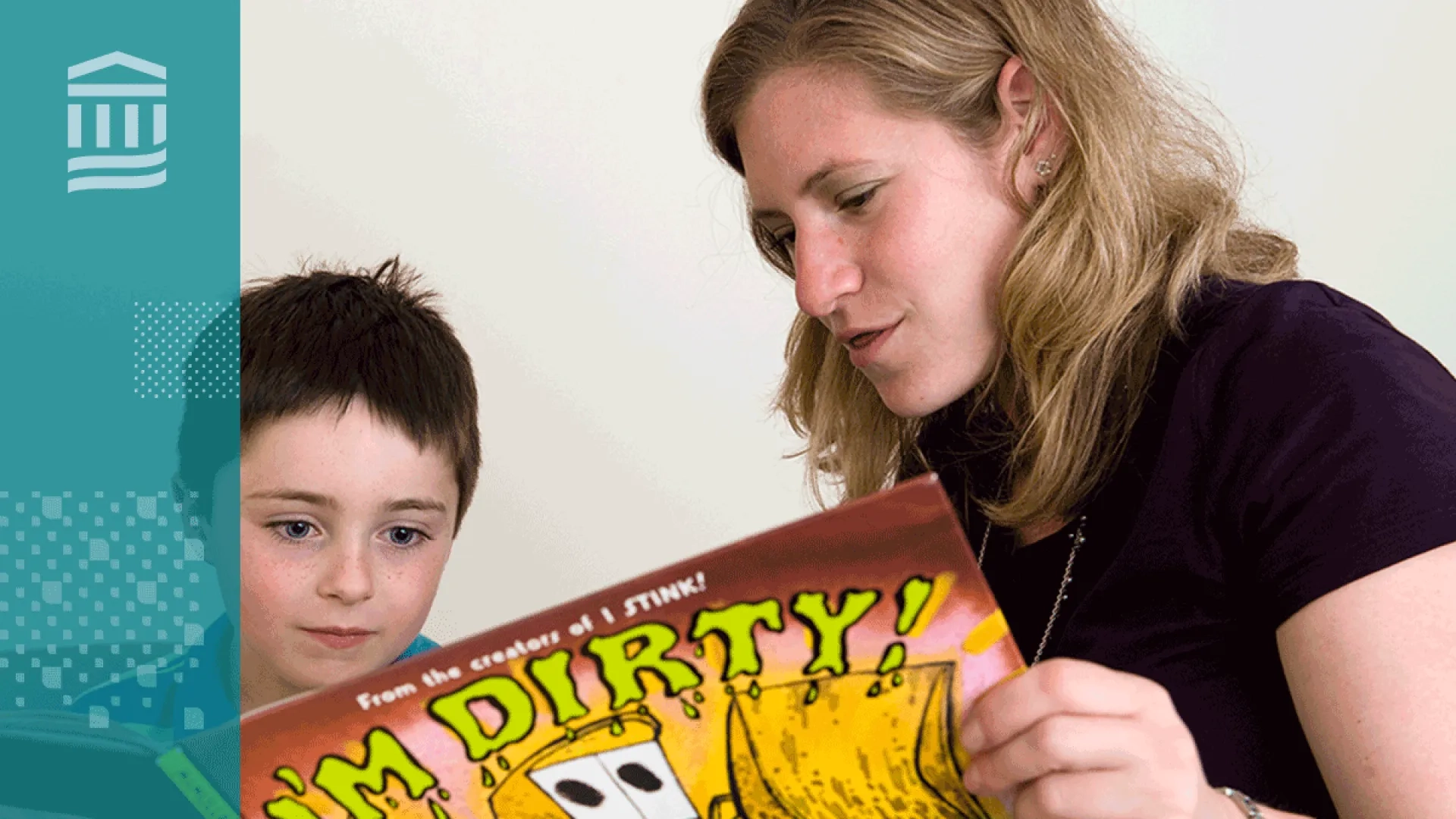


Speech language pathologists shape how people connect with the world around them. So what does a speech language pathologist do on a typical day? The honest answer is that it depends on where they work. A speech language pathologist (SLP) evaluates, diagnoses, and treats communication and swallowing disorders. SLPs support people at every stage of life, from newborns to older adults.
This guide walks you through the duties, the work settings, and the daily rhythm of the profession.
What Does a Speech Language Pathologist Do Every Day?
An SLP is a healthcare professional trained in communication sciences and disorders. That field studies how speech, language, hearing, and swallowing work together. Every assessment and therapy plan grows from that foundation.
Core duties of an SLP include:
- Screening and evaluating speech, language, and swallowing skills
- Diagnosing communication disorders and swallowing disorders
- Writing individualized treatment plans with clear, measurable goals
- Delivering speech therapy in one-on-one or small group sessions
- Coaching families, teachers, and caregivers on daily strategies
- Documenting progress and adjusting plans as needs change
- Maintaining clinical competence through continuing education
Communication Disorders SLPs Treat
A communication disorder can affect how someone speaks, listens, reads, or writes. SLPs treat a wide range of them, including:
- Speech sound disorders, such as articulation errors that make speech hard to understand
- Language disorders, which affect understanding words or putting them together
- Fluency disorders, such as stuttering
- Voice disorders, including hoarseness, vocal strain, and vocal fold injury
- Social communication disorders, which affect turn-taking, tone, and conversation repair
- Cognitive-communication disorders, often following a stroke or traumatic brain injury
Treatment always starts with the person, not the label. An SLP asks what the client wants to say and to whom.
Swallowing Disorders and Safe Eating
Not every goal in speech pathology involves talking. Many SLPs treat swallowing disorders, also called dysphagia. A swallowing difficulty can follow a stroke, head and neck surgery, or a progressive illness.
SLPs complete bedside evaluations and imaging studies to find the cause. They then recommend safer food textures, positions, and swallowing strategies. This work protects the lungs, supports nutrition, and helps people keep enjoying meals.
Where Do Speech Language Pathologists Work?
SLPs work in schools, hospitals, rehabilitation centers, outpatient clinics, and private practice. Others teach, conduct research, or consult on communication technology. The setting shapes the rhythm of the day more than anything else.
Here is what that rhythm can look like in three common settings.
A Day in a School: Nurturing Communication in Young Minds
Morning: in-class support and group sessions
An SLP in an elementary school might start with "push-in" services. That means joining a classroom to support students during regular instruction. The SLP may help a student with a language disorder plan a research paper. Another small group might practice vocabulary drawn from a class novel.
This model keeps teachers and SLPs working as close partners. Together they decide how to support each student in the classroom. The SLP also pulls individual students or small groups for focused skill-building. Those sessions might target articulation, language formulation, or social communication.
Afternoon: assessments and collaboration
Many school SLPs protect dedicated time for evaluations. The educational team, which includes parents and guardians, identifies students who need testing. These evaluations help identify students with speech disorders or language disorders.
The SLP gathers input from teachers and families to see the full picture. Collaboration continues with special education teachers, occupational therapists, and school counselors. Regular contact with caregivers keeps school and home strategies aligned.
A Day in a Hospital: Guiding Recovery and Rehabilitation
Morning: multidisciplinary rounds and assessments
In a hospital, an SLP often begins the day on multidisciplinary rounds. Physicians, nurses, therapists, and dietitians share updates on each patient. Assessments follow, covering communication and swallowing changes after strokes or brain injuries.
Afternoon: instrumental studies and treatment plans
The afternoon might involve modified barium swallow studies in the fluoroscopy suite. Working with a radiologist and physician, the SLP watches the swallow in real time. That view helps the team pinpoint the cause of a swallowing difficulty.
The SLP then makes recommendations and adjusts the treatment plan. Occupational therapists and physicians help align those goals with the rest of the patient's care.
Late afternoon: family education and progress reports
Late in the day, the SLP meets with families. They teach communication and swallowing strategies that families can use at home. Clear updates on progress and expectations matter enormously during rehabilitation. Detailed reports then go to the healthcare team to keep everyone coordinated.
A Day in Private Practice: Tailoring Individualized Therapy
Morning: client assessments and treatment planning
In private practice, an SLP often opens the day with client assessments. These sessions pinpoint specific speech or language challenges. Clients and families help set goals that fit their own priorities. Treatment plans follow from those conversations.
Afternoon: one-on-one therapy sessions
One-on-one speech therapy is the heart of the private practice day. Sessions might target articulation, language development, fluency, or voice disorders. Because the caseload is personal, an SLP can adjust a session in real time. That flexibility often makes each visit more effective.
Late afternoon: progress reviews and professional development
Later in the day, the SLP reviews progress data and updates plans. Continuing education keeps clinical skills current with new research and techniques. Networking with other healthcare professionals also supports a well-rounded approach to care.
How Do SLPs Collaborate With Other Professionals?
An SLP rarely works alone. In schools, the partners are teachers, counselors, and families. In hospitals, they are physicians, nurses, radiologists, and occupational therapists. In clinics, they may be pediatricians, psychologists, and classroom teachers.
Collaboration keeps goals consistent across every part of a person's day. It also gives the SLP a fuller view of what someone needs. Learning interprofessional collaboration is an important part of SLP education that is used throughout your career.
How Do SLPs Work With Children Versus Adults?
With children, SLPs usually build skills that are still developing. Play, books, and classroom routines become the tools of therapy. Early intervention gives young children a stronger foundation for learning and literacy.
With adults, the focus often shifts toward restoring or adapting skills. A stroke, injury, or diagnosis may change how someone speaks, thinks, or swallows. Learn more about how speech pathologists work with adults and the specialties involved.
Is a Speech Therapist the Same as a Speech Language Pathologist?
Yes, in everyday use. "Speech therapist" is the informal term many families still use. "Speech language pathologist" is the formal professional title used in clinical settings.
An audiologist is a different professional entirely. Audiologists evaluate and treat hearing and balance disorders. The two roles often work side by side. Compare the SLP and audiologist career paths to see how they differ.
How Do You Become a Speech Language Pathologist?
Practicing as an SLP requires a master's degree in speech language pathology. Graduate study combines coursework with supervised clinical placements. After graduation, most clinicians pursue state licensure and the Certificate of Clinical Competence from the American Speech-Language-Hearing Association.
The Master of Science in Speech-Language Pathology at Mass General Brigham University of Health Professions prepares you for any setting. Students at the University train in schools, hospitals, and community clinics across Greater Boston. You can also explore how to become a speech language pathologist step by step.
Areas of Interest You Can Explore
Review the University’s speech language pathology curriculum plans to see the full path. Areas of interest include:
- Adult Neurogenic Communication Disorders
- Autism Spectrum Disorders
- Early Intervention
- Literacy
- Medical Speech Pathology
- Voice Disorders
Our integration of written and spoken language disorders study is unusual among programs.
Is Speech Language Pathology the Right Career for You?
Consider this profession if you like problem-solving, teamwork, and steady human connection. No two caseloads look alike, and few days repeat. If you want the practical details, read our guide to salary, demand, and career outlook in the field.
Ready to take the next step? Explore the Master of Science in Speech-Language Pathology program, or request information from our admissions team.
Related Articles

Medical SLP vs. School SLP: Do You Have to Choose?
Wed, 10/14/2026


How to Become an Audiologist: A Step-by-Step Guide
Wed, 10/07/2026