


Sabo, Morse, Samost Notch $2.5 million Federal Grant to Prepare Nurses for Complex Home Care


Four-year fellowship program to help with homecare workforce development
On any given day, one in three homes in the Commonwealth that need nursing care doesn’t receive it because there simply aren’t enough nurses trained in the home care discipline to go around. Now, a federal grant awarded to nursing faculty at Mass General Brigham University of Health Professions may help change that.
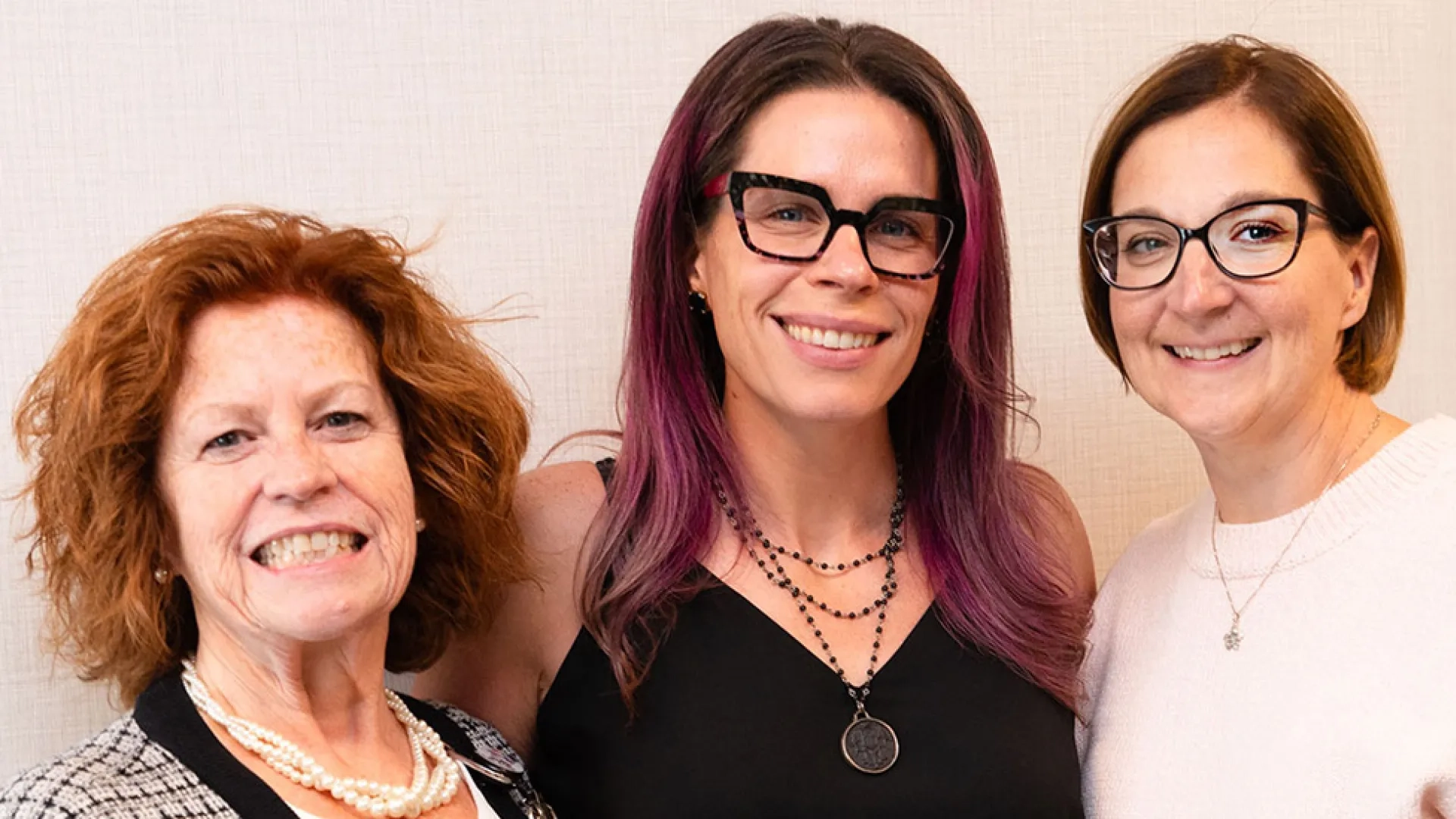
The Health Resources and Services Administration (HRSA) has awarded a four-year, $2.5 million dollar grant to Associate Professor Kathy Sabo, Professor Brenna Morse, and Assistant Professor Mary Samost to oversee an innovative home care fellowship called Preparing Our Registered Nurses for Community and Homecare (PORCH). It’s an enrichment experience that pre-licensure students will have to apply for that will help prepare them to handle nursing care in the home, on their own.
“When you’re working on an inpatient floor of a hospital, you have the technology to monitor, colleagues to validate your assessments, a med room with all the medications there, and a supply room,” said Sabo, the grant’s principal investigator. “I always tell my students that it was home care where I really mastered my assessment skills and wound care because you’re there alone, and you have to become creative, and critically think because you don’t have resources down the hall or right there with you.”
The program will prepare nurses to support chronic disease management, independence, and community participation for medically complex individuals, while also strengthening the home-care workforce pipeline.
“I think this is a great opportunity to really highlight the value and the importance of community-based care, and to teach our students that this is a key role of a registered nurse, as well,” noted Sabo. “By training nurses to do that, we’re addressing the gaps that are out there as well.”
The focus of this grant echoes the grant Morse received three years ago from the Commonwealth help train nurses who could provide complex care to patients at home. The Complex Care Training Program trained 142 nurses in its first two years and has been extended with the Commonwealth twice.
“PORCH is an amazing opportunity to strengthen the home-based nursing workforce by introducing specialized training during pre-licensure education, building on the strong generalist foundation our ABSN students already receive here at Mass General Brigham University,” said Morse. “Our student fellows will demonstrate competency in 10 situations unique to community-based care in our simulation environment, complete their final preceptorship in family homes, and receive a guaranteed interview with community employers. They will be ready to go and serve the families most in need of nursing care today. I’m thrilled that this project is another one that elevates true partnership with people living with complex conditions and their families, who serve as integral team members.”
Samost said the HRSA grant is an opportunity to invest in the next generation of nurses.
“I’m particularly excited about how this work will strengthen the connection between education, clinical practice, and the needs of our communities,” noted Samost. “Ultimately, we are preparing nurses who are ready not only to deliver exceptional care, but also to lead meaningful change in healthcare.”
From now until the program begins in June 2027, Sabo and her team will be planning for a program consisting of ten simulations, clinical experiences, and fireside chats with homecare nurses, patients, and caregivers.
“This program will help students realize that there are many roles for the nurse outside of the hospital bedside,” concluded Sabo. “Being a complex care nurse that a home-bound patient relying on home-centered care can count on is one of them.”