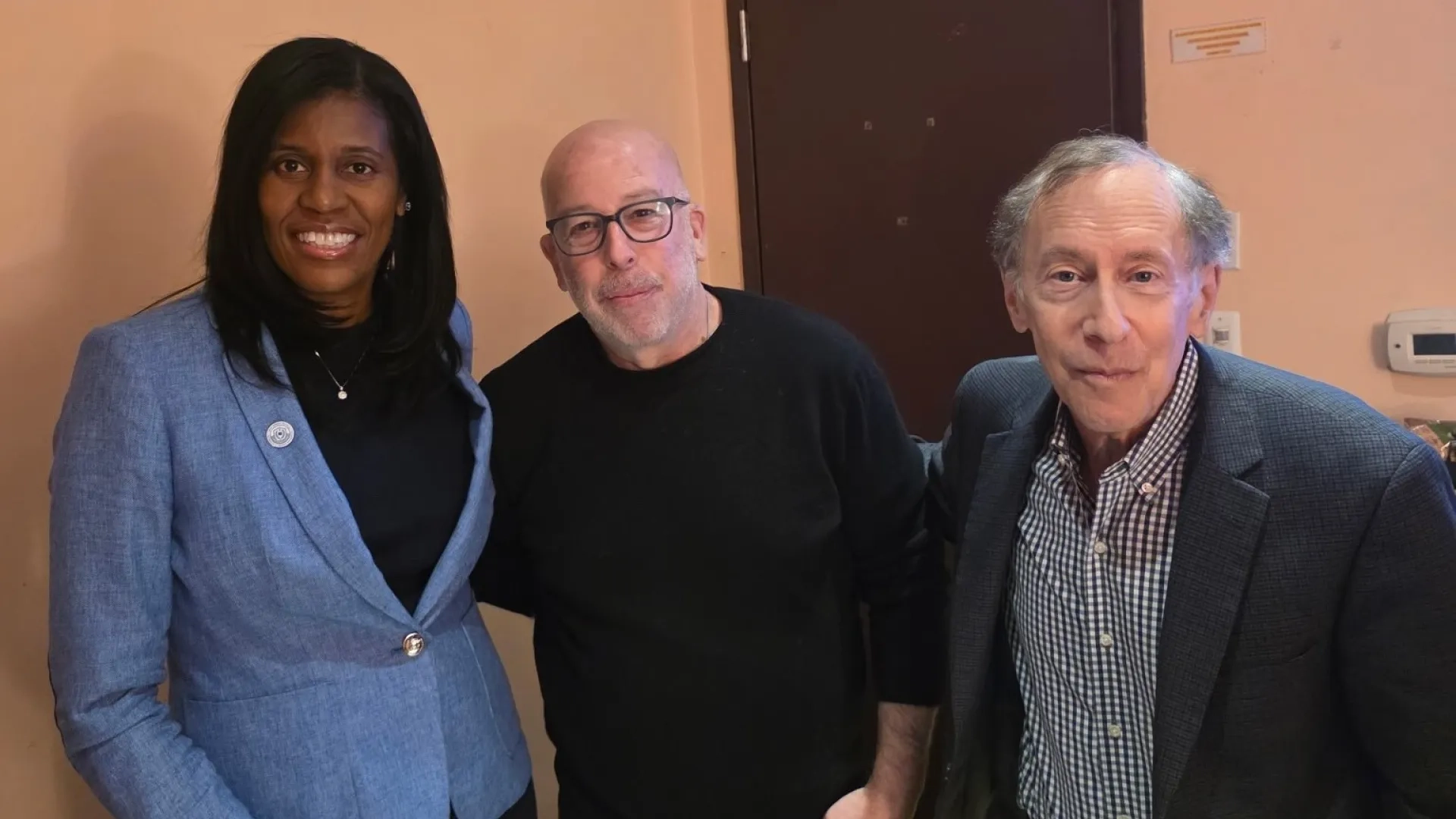
President Jones Gives Remarks at Boston Globe Summit
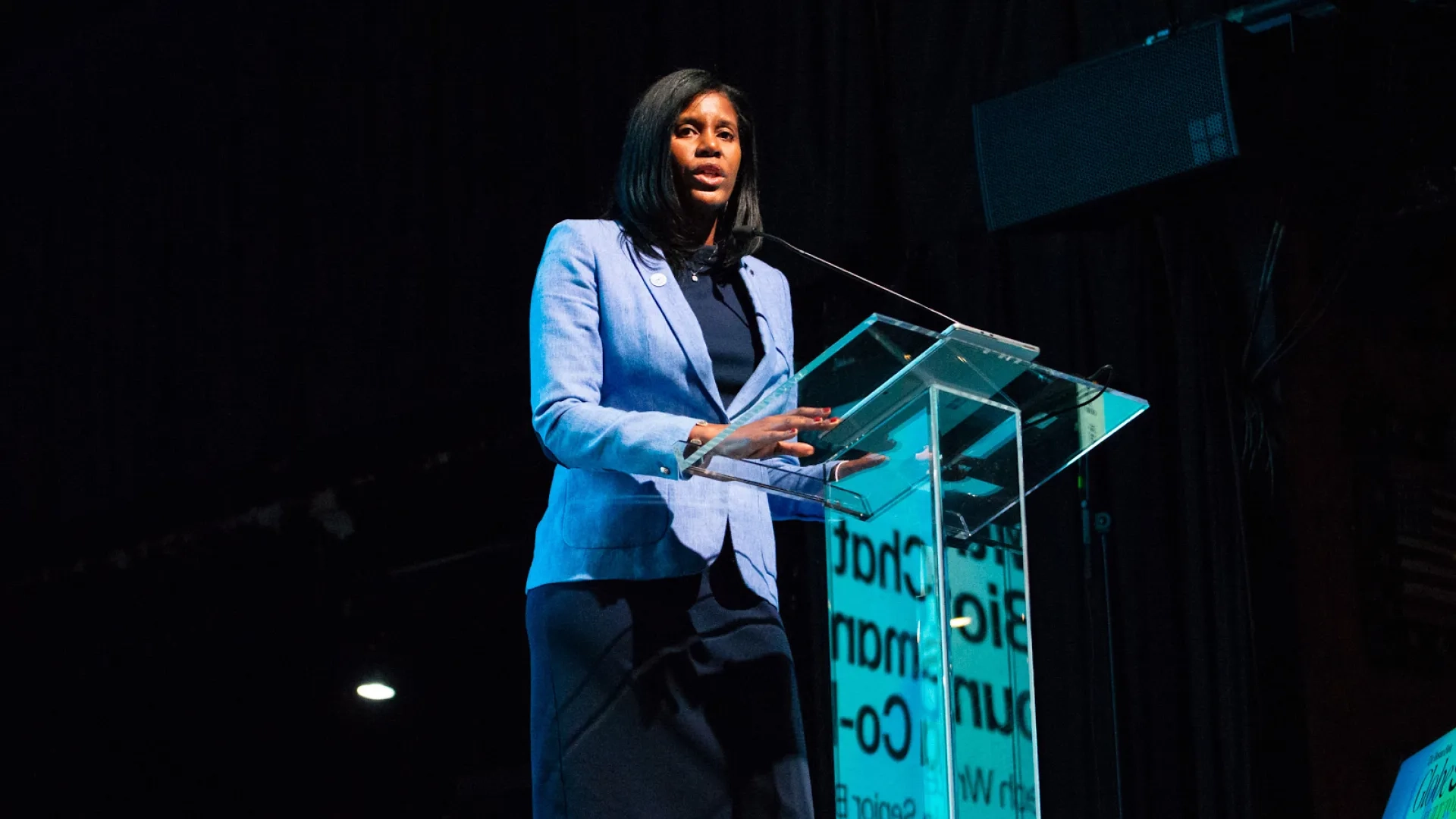


Addressing the region’s leaders in business, healthcare and education, President Deborah Jones said investing amid uncertainty is familiar territory for anyone building a biotechnology company and also familiar territory for those leading universities.
That was just one of several themes Jones threaded during her opening remarks on Tuesday during the first day of the annual Boston Globe Summit, held at the House of Blues behind Fenway Park.
Speaking in front of 250 people, Jones told the crowd that one of the most important responsibilities of leadership is to invest in a future that we cannot fully describe.
“We make decisions about people and ideas whose greatest contributions may be years away,” said Jones. “We make those decisions with incomplete information. We make them with competing demands, and with the responsibility to use resources wisely.”
Jones gave remarks before a fireside chat between Moderna co-founder Robert Langer and STAT reporter Adam Feuerstein. The panel was one of more than a dozen on the Summit’s opening day, which also featured conversations with Governor Maura Healey, Restaurateur Danny Meyer, and Airbnb co-founder Nathan Blecharczyk, Boston Mayor Michelle Wu, and U.S. Representative Jake Auchincloss.